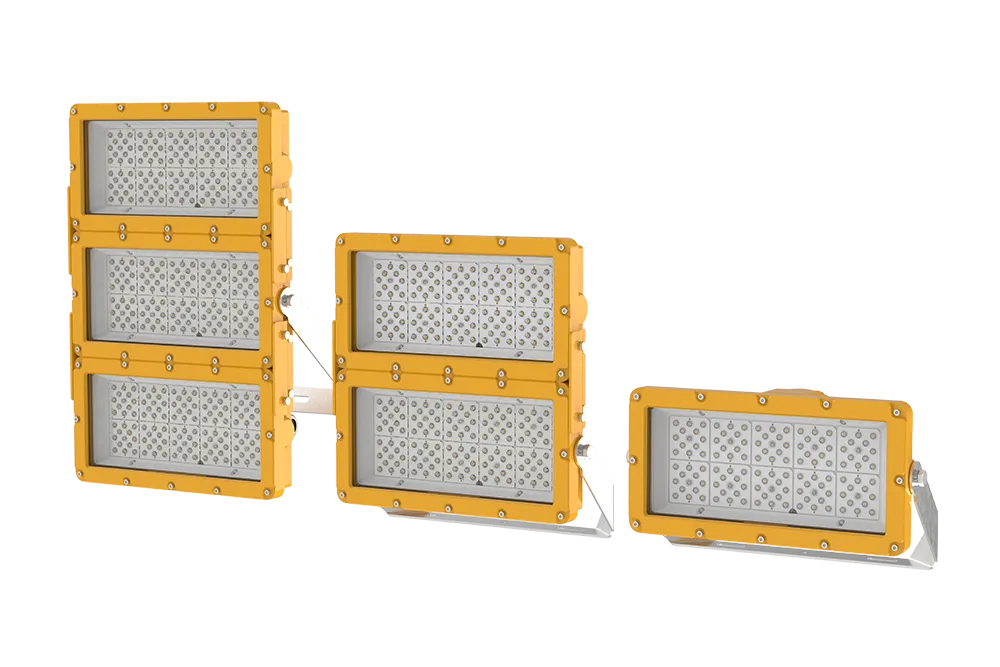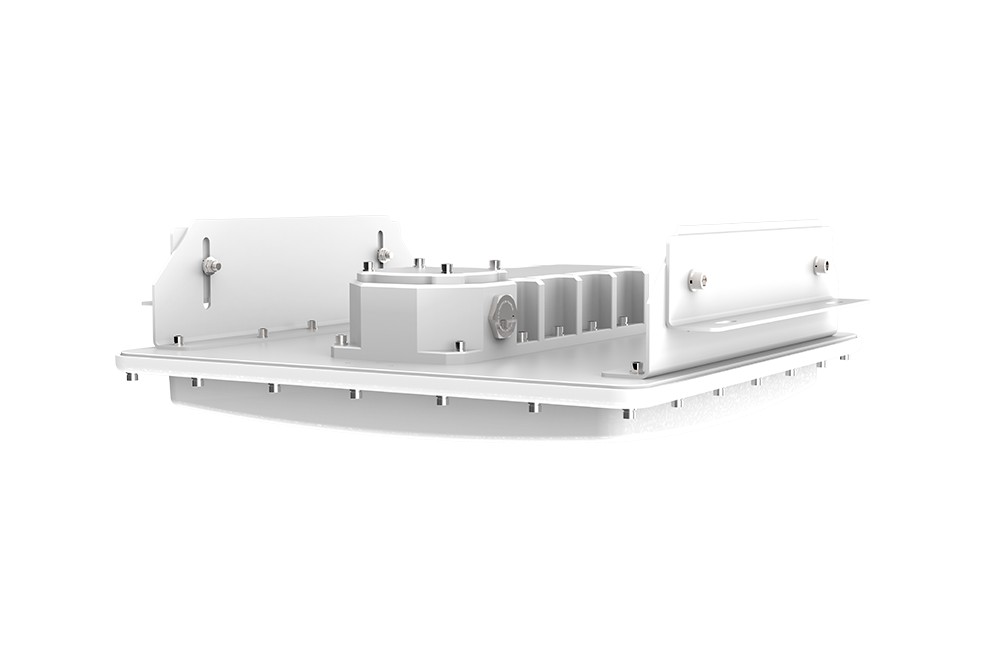
Beginning our piece explores multiple devices concerning blast-proof illumination alongside engineering locations.
Operating steadfastly through dangerous regions for instance chemical sites demands purpose-built hardware to minimize possible emergencies. Ignition-safe lights are essential components in equivalent locations, developed to withstand flammable particles, combustible exhalations, and explosive zones. These instruments are not inherently harmless; instead they are crafted to encapsulate any enclosed electric burst or spark and block it from generating a greater eruption in the neighboring space. This explanation provides crucial knowledge about explosion-proof units, their purposes, and defense elements for setting up them accurately.
Learning Explosion Proof Lighting Standards
Managing specific flammability-rated lighting requirements can be difficult, especially across operations dealing with hazardous atmospheres. These stipulations – often referencing official bodies like the National Electrical Code (NEC), ATEX (Europe), and IEC – outline definitive design and application guidelines to minimize the hazard of sparks from power appliances. Understanding given standards is imperative for ensuring operator safety and meeting with official obligations.
Light Emitting Diode Blast Resistant Lighting Systems: Output & Defense
Photon Emission flammability-rated lights represent a significant improvement over traditional incandescent lighting in environments where catchable agents are observed. These tough apparatus purely yield excellent energy management, culminating in lessened maintenance charges, but specifically maintain a improved standard of safety by mitigating the threat of arcing because of fault discharge}.
Explosive Hazardous Region Hazardous Proof Ignition Heat Flare Resistant} Sources : A Comprehensive Examination
Explosion Certified Hazardous Region Hazardous Proof} Fixtures are specially manufactured lighting tools built to work safely within potentially detonable settings. These durable fixtures restrain sparks, warmth and static currents from setting off a severe explosion. They habitually incorporate advanced designs, including specifically enclosed housings and intrinsically safe current-based parts to preserve safety requirements in workplaces like crude & gas processing, production plants, excavation operations, and healthcare production.
Choosing the Best Blast-Proof Systems for Risky Properties
Choosing the most appropriate blast-proof systems for a given exclusion zone calls for comprehensive evaluation. Criteria such as the classification (e.g., Division I, II, or III and domains A) should be rigorously verified to confirm agreement with relevant protection rules. More than the environment's essential dangers, take into account natural states, such as thermal state and condensation, to find a long-lasting and harmless resolution. Usually refer to a experienced advisor to facilitate your resolution.
Locations Where Occur Explosion Proof Lights?
Explosion-proof sometimes termed intrinsically safe|hazardous location|Class-rated} illumination sources are absolutely needed in any areas where volatile fumes or debris could plausibly create a toxic atmosphere. This normally includes industrial processing plants, coating application areas, flour handling facilities, and industrial treatment areas. Regulations, such as those from OSHA and NEC, mandate their setup in these regions to lessen the risk of arcing and protect security functionality.
Pros of Electroluminescent in Ignition Proof Sources
Upgrading to Electroluminescent technology for ignition-resistant sources offers a noteworthy range of perks. First, solid-state lights boast a significantly longer operating life compared to traditional incandescent emitters, reducing overhaul expenditures and cessations. They are also essentially safer, producing mitigated thermal flux which curtails the potential of combustion in hazardous atmospheres. Over and above, electroluminescent units are progressively effective in power use, leading to reduced electricity outlays and a cut down carbon influence. Finally, the solid structure of Light Emitting Diode contraptions sustains the demanding conditions typical of ignition-resistant areas.
- Prolonged Lifespan
- Curtailed Repair Costs
- Elevated Protection
- Abated Electrical Usage
- Fortified Robustness
Conserving and Reviewing Explosion Proof Lighting Systems
Regular tuning and detailed checkup of hazardous location lighting frameworks are essentially indispensable for upholding safety and minimizing potential hazards. This necessitates a frequent review of all units, such as lighting apparatus, channels, power cables, and linked connection enclosures. Notably, examine for rust, physical defects, and proper electrical grounding. Over and above, ascertain that collective labels are clear and that the light units satisfies pertinent requirements.
- Conduct observable reviews.
- Review wire terminations.
- Substantiate explosion protection.
Prospective Developments of Explosion Proof Lighting Technology
Transforming landscape of explosion-proof systems technology predicts a significant shift from traditional designs. Future approaches will steadily incorporate networked capabilities, enabling dispersed monitoring, diagnostics, and flexible control. We expect a rising adoption of luminescent technology, not only for its fundamental energy efficiency, but also its aptitude to facilitate installed sensors for gauging unstable conditions. Furthermore, materials analysis is promoting innovations in long-lasting housing materials, allowing for lighter and optimized designs, while preserving the necessary levels of security.
- Better battery life for remote applications.
- Merge with preventive maintenance frameworks.
- Innovation of maintenance-free lens approaches.