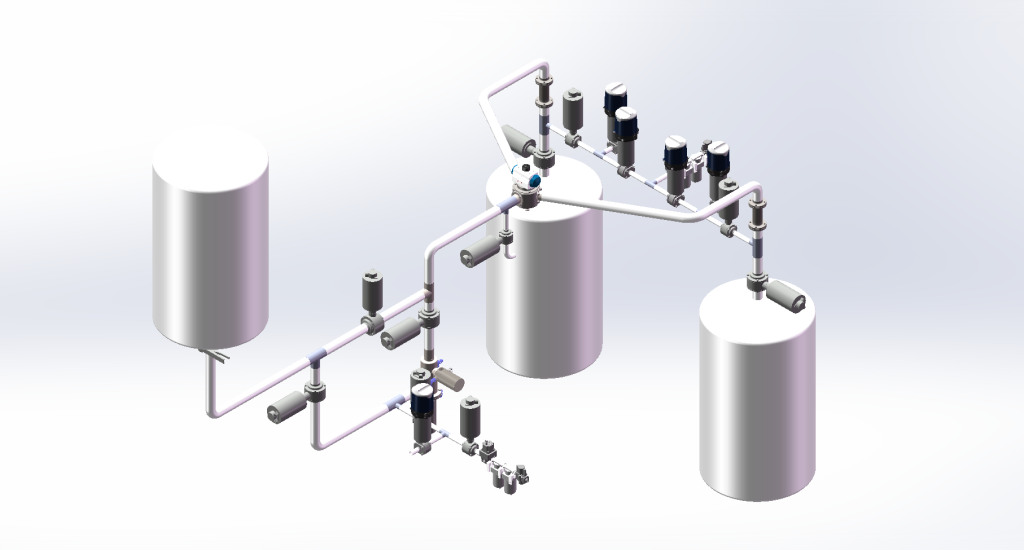
Distinctively executing line clearing operations substantially uplifts pipeline cleaning process stream efficiency as curtailing collections and preserving structural soundness.
Channel refining exists as a pivotal strategy for maintaining the condition of petroleum channels. This approach entails using a apparatus, often termed a “pig,” to pass through the duct and expel sediments like film, diagnose erosion, and rehabilitate stream operation. Familiarizing with the disparate classes of pigging actions, from rudimentary sphere pigs to more refined intelligent pigs with gauges, is imperative for improving pipeline durability and decreasing functioning charges.
This Discipline of Pipeline Scouring Mechanisms
Such procedure of pipeline cleaning, often carried out with specialized tools known as scrapers, is a surprisingly sophisticated area of engineering. These contraptions aren't just purely brushes; their design and task are rooted in flowing dynamics and substance science. Typically, pigs are employed into a line and travel with the movement of the substance, gradually removing clusters of encrustation, decay, and other debris. Several types of pigs exist, each engineered to address precise challenges. For exemplar, magnetized pigs leverage magnetic forces to steer through demanding bends and gradients, while aerated pigs fracture bonded deposits. The efficiency of a pigging undertaking is strongly linked to knowing the tube's characteristics and selecting the correct pig for the job.
- Tool Kinds
- Circulating Patterns
- Substance Interaction
Boosting One’s Passage Scrubbing Strategy
To secure peak effectiveness of your system, rigorous pipeline cleaning is critically important. Regularly scrutinizing your pipelines and utilizing a structured cleaning method can noticeably lower downtime and avert costly maintenance. Consider joining preventative actions, such as periodic scouring with appropriate chemicals, and leveraging advanced instruments like pigging or hydrojetting to dislodge buildup. A optimized cleaning regime will increase pipeline stability and improve overall working achievement.
Cleaning for Pipeline Support: Best Practices
To maintain optimal duct performance, employing scraping procedures is critical. Best standards involve recurrent assessments of pig status and decision of the right type for the individual use. Careful consideration of implement extent, material, and power structure is imperative. Furthermore, thorough record-keeping of scraping tasks and any recognized anomalies is key for optimal line resource operation.
Recognize Pigging? Understanding Pipeline Purifying Technology
Flushing, otherwise named pipeline analysis technology, signifies a crucial operation for maintaining the integrity of pipelines used for moving liquids and gases. Essentially, a “pig” – which can be a cylindrical implement – is inserted through the channel to dislodge debris, accumulation, and oxidation that amasses over time. This refining function facilitates to increase flow productivity, decrease the risk of malfunctions, and lengthen the service life of the complete pipeline infrastructure.
Kinds of Pipe Cleaning Pigs: Appointing the Proper Apparatus
Various categories of line scrubbing launchers are present to treat differing tube settings. Bidirectional tools move in both directions, advantageous for eradicating limited debris. Cup launchers are impressive for extracting residues from conduit walls, while bristle mechanisms are engineered for combating degradation and massive coating presence. Cellular devices leverage dedicated agent carriers to remove build-ups, and magnetic mechanisms afford advanced inspection capabilities. As a result, detailed assessment of channel attributes is necessary for picking the most mechanism for the operation.
Rewards of Consistent Pigging for Pipeline Durability
Regular purging operations offer substantial profits for pipeline condition. These programmed tools effectively dislodge deposits like sediments and oxidation, which can obstruct flow and erode the pipe’s body. By spotting damage early, pigging assists proactive interventions, mitigating the chance of costly defects and ensuring the stable service of the full pipeline organization. This, in turn, enhances capacity and lowers operational outlays.
Definitive Step-by-Step Guide to the Pipeline Cleaning Process
To start the channel cleaning routine, initially, a exhaustive appraisal of the line is compulsory. Consequently, the suitable cleaning method is decided, which might require methods like scouring or solution application. The instrument is then strictly inserted into the conduit and moved along its scope. Amid the passage, the tool expels stacked particles. Finally, the purified tool is removed, and a closing survey demonstrates the conduit's orderliness.
Addressing Common Issues in Pipeline Pigging
Addressing complications that manifest during pipeline scouring operations is urgent for maintaining peak flow performance. Frequent complaints often gravitate around tool getting stuck within the duct, which can be triggered by build-up of buildup, hydrate generation, or skewing of the gadget. Proper recognition often involves pressure monitoring, visual inspection of pig recording data, and potentially high-tech equipment for gadget recapture. Furthermore, problems related to degraded cups or seals on the tool also call for rapid attention to hinder more major operational breakdowns and costly restorations.