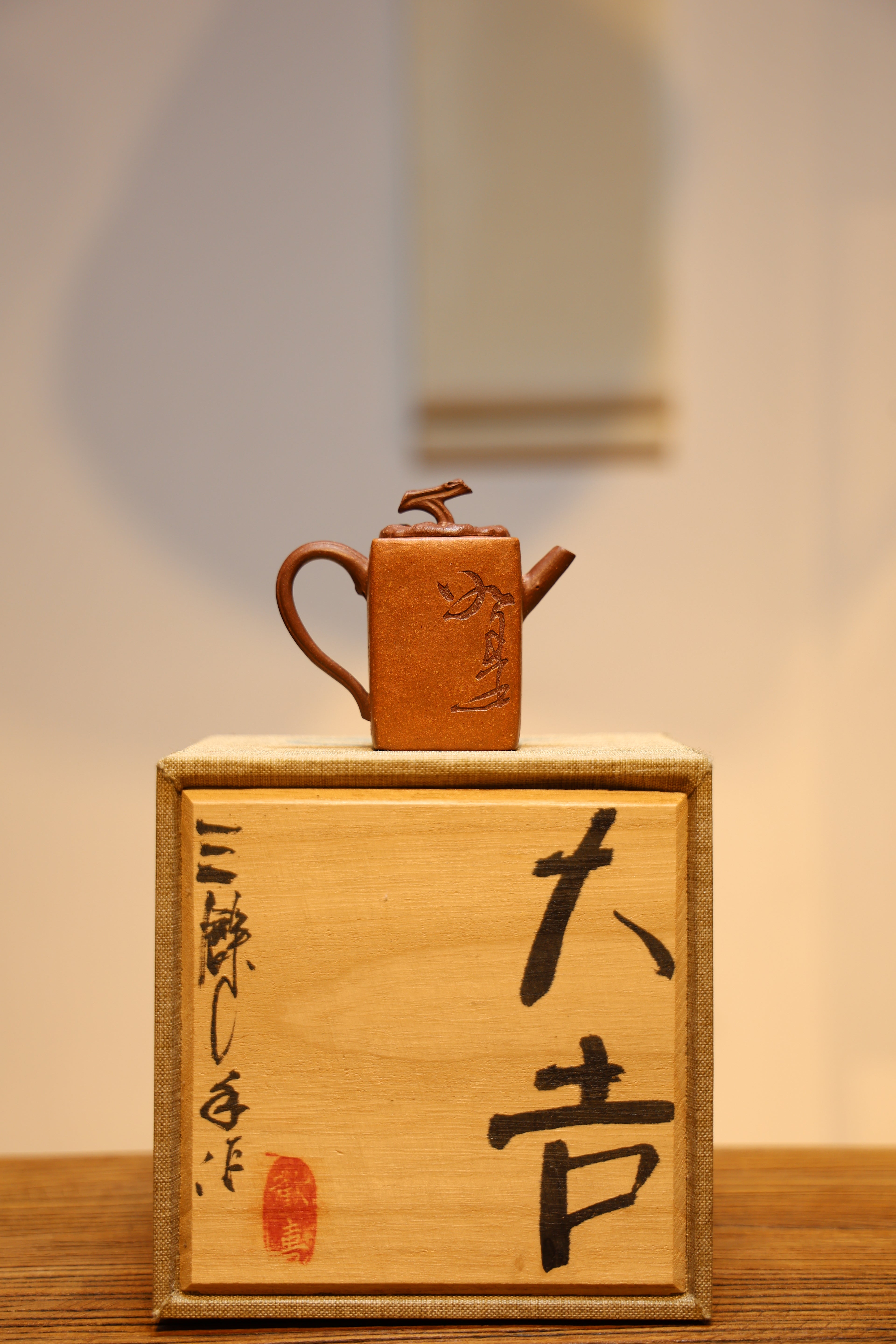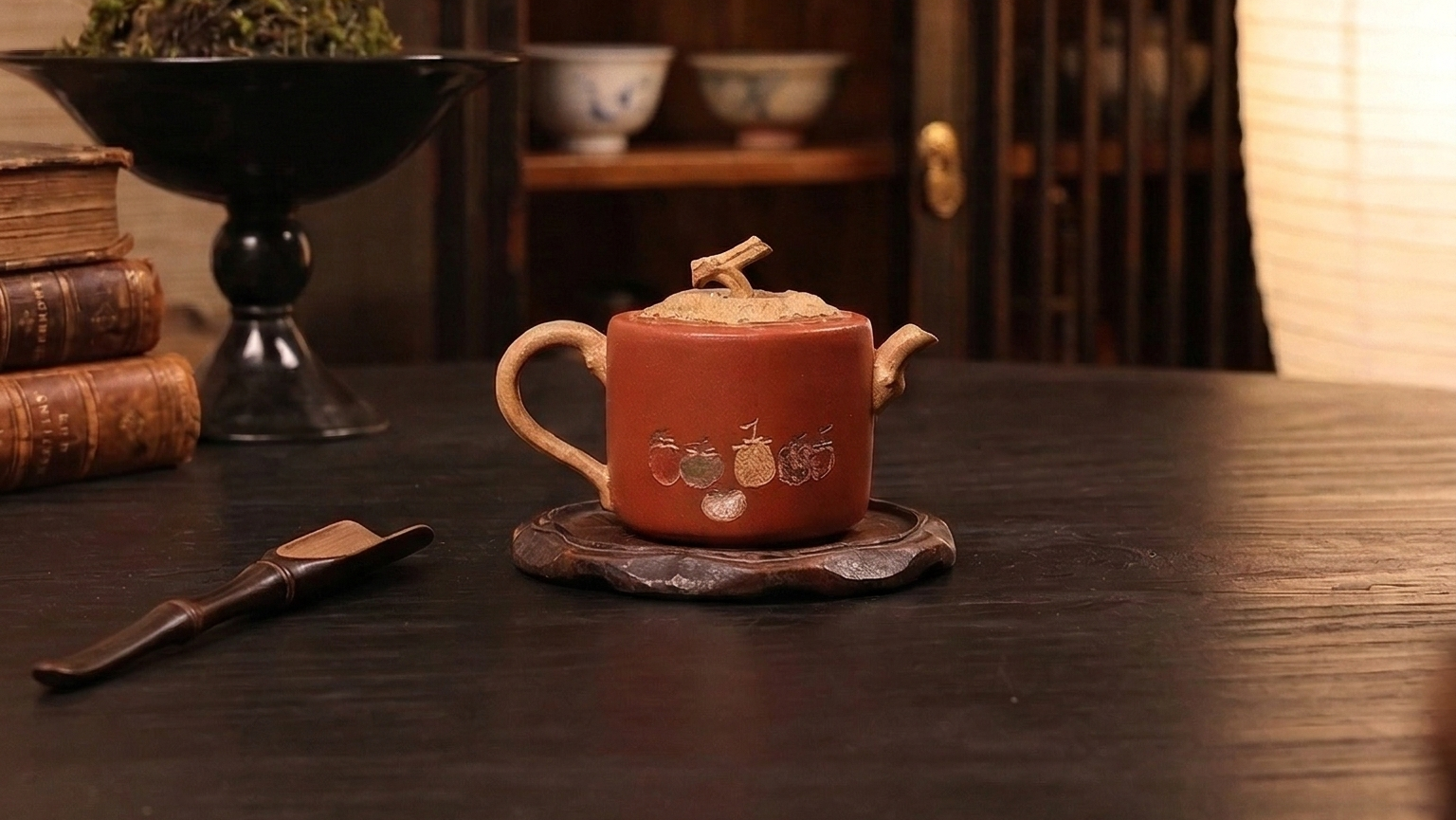
Epochs of aficionados have yearned the special appeal of Yixing Zisha pots. Rooted in the small town of Yixing, the nation, these pots are created from a singular and dug purple clay recognized for its extraordinary thermal qualities and ability to refine the savor of liquids. Aside from their practical significance, Zisha teapots exemplify a extensive historical heritage, fashioning them greatly collectible and a bona fide marvel for any devoted teapot lover.
Surveying Yixing Containers
Such teapots embody a singular combination of history and artisan craftsmanship. Existing in Yixing, Jiangsu Area of China, their narrative dates back the Ming Dynasty, although signs suggest earlier iterations. The rare maroon clay, called Zisha, found solely in the Yixing region, is the principal component, contributing to the pots' outstanding heat retention and the manner they modify the flavor of tea. Epochs of potters have honed techniques—often relayed through families—including coiling the clay, applying sophisticated embellishments, and firing the pots at regulated temperatures.- Historically, Yixing teapots were often enhanced with simple designs.
- Later, more advanced carvings and pictorial motifs became accepted.
- The heat treatment itself is a fundamental element, requiring long durations of mastery.
Assembling Zisha Teapots: Important Guidelines
Embarking on a pursuit to assemble Zisha earthenware can be enjoyable, but it’s imperative to grasp what to inspect. Authenticity is paramount; focus on the terrain’s natural hue, a soft reddish-brown is conventional. Examine the texture; genuine Zisha has a notable tactile sensation, often depicted as slightly rough. The design should be attractive and consistent with traditional styles, while maker’s marks, if present, require diligent examination for accuracy. Don’t delay to consult with seasoned specialists or respected sources – their expertise is irreplaceable.
Oriental Pots: Delving into the Custom of authentic Purple Ware
Eons have seen Yixing Zisha teapots keep a special role in Chinese tradition. These finely fashioned pots, sourced exclusively from the province of Yixing, are prominent for their distinctive color, consistency, and their ability to refine the essence of extracts. A multitude of collectors strive for antique Yixing teapots, estimating them significantly not only for their aesthetic elegance, but also Zisha Teapot for the chronicle they signify.
Yixing Zisha Teapots: A Finest Types and Their Characteristics
Yixing Zisha teapots, originating from the Yixing province of Yixing, the land, are well-known for their uncommon clay and high-quality brewing features. Throughout the numerous Zisha types, those kinds that are highly valued include Baiwei. Binzhou, known for its vivid purple shade and velvety texture, delivers a soft flavor. The Duan Ni type, recognizable by its reddish color and somewhat grainy feel, is viewed to enhance the fullness. Lastly, The Zhuni type boasts an peculiar vermilion tone and can deliver a delightful nuance. Each variety supplies a varied experience, causing them highly desirable towards infusion enthusiasts.
Achieving Your Pottery Pot
To unleash the virtue of your Yixing pot, understanding the correct modus operandi is critical. These clay vessels, celebrated for their openness, will incrementally take on the nature of the tea you infuse within them. Begin by rinsing the pitcher thoroughly with clean water. Then, use only select natural leaf tea, as lower quality options can ruin the item’s delicate aroma. Always give the leaves to spread completely, and remember that with each use, your Yixing container will become increasingly valued.
Maintaining Your Exceptional Zisha Heirloom
Proper support for your Zisha pitcher is critical to securing its character and esteem. Zisha clay, known for its unique cast and composition, requires mindful handling. Never use abrasive agents, as these can undermine the coating. After every utilization, rinse the kettle with comfortably warm water and allow it to dry completely.
- Shun soaking the jar for extended durations.
- Sometimes use a soft towel to buff the exterior.
- Weigh applying a thin layer of food-grade oil inside the container after drying, which can diminish staining.
Essentials of Yixing Pots
Yixing clay pots, originating from the Yixing territory in Jiangsu Province, China, are celebrated for their distinctive attributes. Created from the unique purple substance known as Zisha, these pots are prized by drink enthusiasts worldwide. This handbook will neatly explain the basics – covering kinds of Zisha material, typical shapes, and key care tips. Understanding the origin of Yixing containers can boost your appreciation for this acclaimed example of Chinese heritage.
Skill of Mandarin Pitchers: Showcasing Zisha deriving from Yixing City
Zisha ware from the Yixing area represents the summit of Han kettle design, projecting a uncommon concoction of natural beauty and functional artistry. These remarkable pieces are recognized for their deep hues, often extending between intense purples and red hues to soft greys and light beiges. The distinct mineral composition of the area’s Zisha ground imparts a signature texture and generates a agreeable aroma that improves the overall tea experience, making them exceptionally wished-for collectibles and key components of any serious practice.