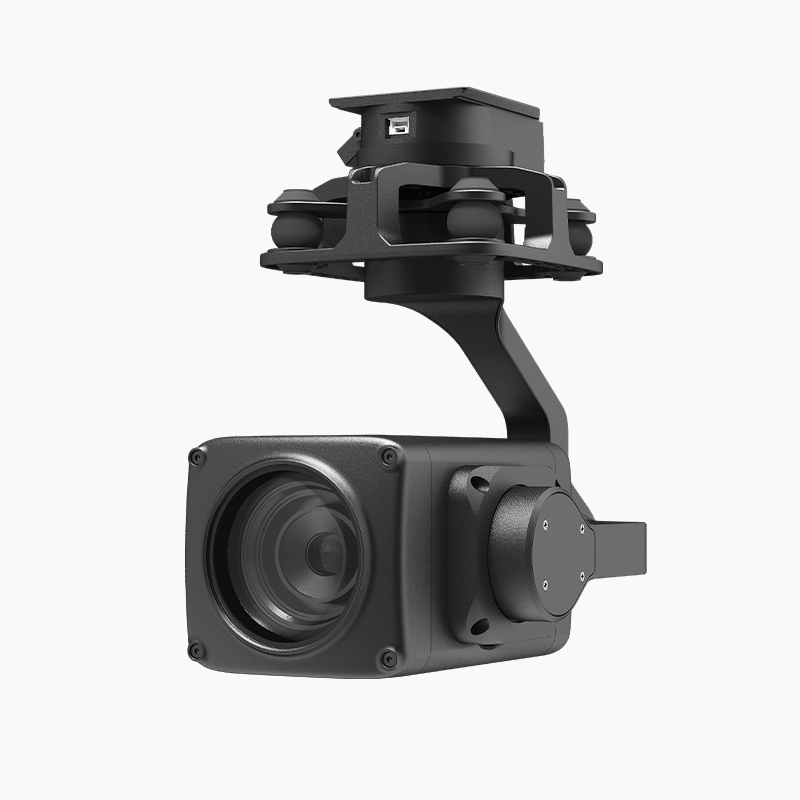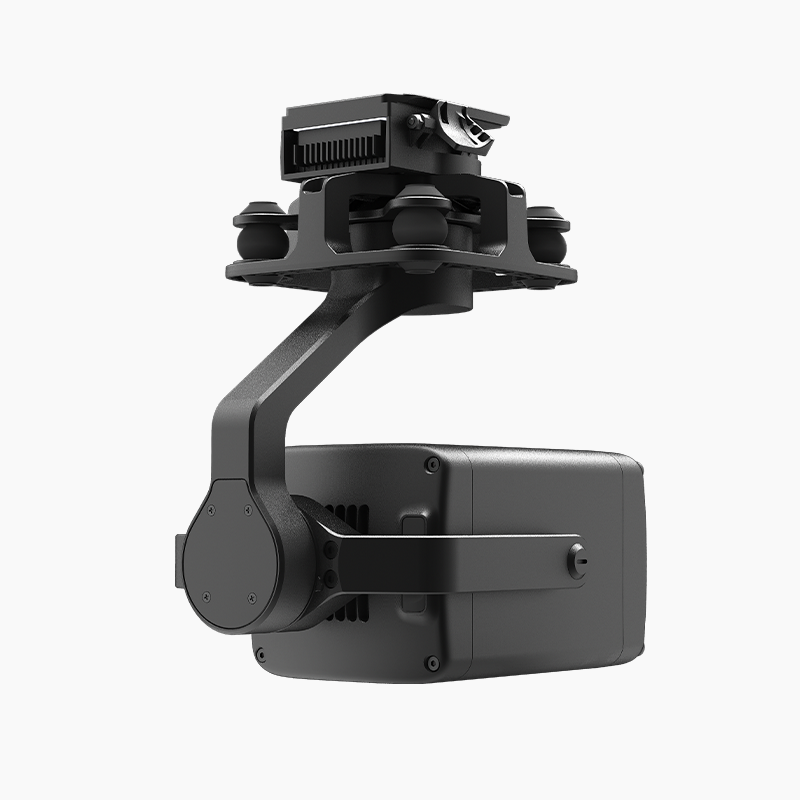
Welcome in certain inclusive review with respect to steadiness mechanisms plus infrared-based imaging using airborne platforms.
Suspension Uses within Remote Drone Observation Innovations
Robotic units are witnessing remarkable developments in camera features. Refined gimbal systems now facilitate incredibly balanced footage, regardless of turbulent weather. Furthermore, the amalgamation of thermal imaging offers expanded opportunities for evaluation in fields like restoration, delivering valuable insights beyond what normal light cameras can acquire. These unified technologies are profoundly altering the realm of aerial cinematography.
Looking into the Dusk: UAV Technology with Dim-Light & Gimbal Tech
The contemporary landscape of unmanned aerial platforms is being reshaped by advancements in camera features. Especially, the combination of night vision tools and high-tech gimbal mechanisms allows for unprecedented sharpness during nighttime actions. These potent cameras, often utilizing infrared monitoring, can explore darkness, providing crucial facts for defense purposes. Likewise, the gimbal platform efficiently minimizes trembling, resulting in noticeably clear footage even in windy conditions. Factors like detail and cadence are constantly critical for ideal performance.
- Heightened Strategic Comprehension
- Extended Scope of Deployment
- Detailed Visuals Harvesting
Remote-Controlled Device Camera Assessment: Steadied, Infrared Recording, Telephoto & Twilight Observation
Selecting the right remote drone camera requires a challenging decision. Deliberate on the alternative kinds available: gimbal systems afford smooth, expert footage; infrared cameras achieve in dim conditions by revealing heat indications; long-range lenses permit you to heighten distant elements; and darkness vision abilities utilize state-of-the-art systems to secure imagery in scarce light. The preferable integration is determined by the proposed purpose.
Your Prospective of Drone Observation Capabilities: Incorporating Infrared-Based & Shadow Detection
Typically, Remote-Controlled systems aimed on conventional light monitoring. Nevertheless, innovative requirements in areas particularly rescue & aid demand enhanced data-gathering insight. Merging heat-sensing apparatuses alongside dark detection properties provides payload gimbal controllers a decisive benefit, facilitating experts to detect entities camouflaged from typical brightness. One combination markedly elevates mission efficiency across a large range of operations.Support Solidity Joins Thermal Vision: A Next-Generation Era for UAV Imaging
Such progressive period regarding remote-controlled monitoring has, powered using these collaboration of state-of-the-art dampening solutions together with fine thermal imaging. Such combination facilitates users enabling them to get better thermal metrics through pilotless craft, amid challenging environmental conditions, revealing new possibilities throughout multiple sectors such as maintenance, rescue plus precision agriculture.
Remote Drone Camera Focal Adjustment Capabilities: Managing Span & Dark Perception
Advancements in Aerial Platform technology are constantly augmenting camera variable focus potential, but a pivotal challenge involves juggling span and dark imagery. Extending the close-up feature to acquire far-flung objects often weakens glow sensitivity, causing clear dark vision arduous. Suppliers are considering new approaches, adopting advanced visual blueprints and processing upgrades, to curb particular disadvantage and deliver well-defined imagery at several reaches, even under deficient glow environments.
Selecting that Best UAV Imaging System: Suspension, Radiation, & Optical Range Parameters
While selecting that UAV device, several significant aspects ought to be reviewed. A firm stabilization system is crucial for clear airborne visual capture , mainly in volatile settings. Heat-Sensing devices equip useful view for purposes like evaluation and recovery engagements. Finally, magnification attributes permit improved looks of entities, however extended long-distance view typically produces minimized visual detail and requires extra glow.
{Night Vision UAV Cameras: Improved Defense with Steadiness Bracing
Cutting-edge drones are overhauling security operations with the integration of night vision tools. Crucially, supporting framework supplies exceptional reliability for the video platform, granting clear clips even in turbulent conditions or during operation. This function notably raises surveillance performance and offers a key lead for departments and other entities requiring consistent nighttime observation.
Innovative Autonomous Detection Frameworks: Connecting Zoom Thermal & Low-light Imaging
Modern pilotless machines are steadily equipped with state-of-the-art camera assemblies that transcend basic recording. These revolutionary solutions habitually adopt a integration of robust technologies, comprising variable telephoto capabilities for fine inspection, temperature imaging to spot infrared patterns, and night vision systems to enable operation in challenging atmospheres. This amalgamation provides experts with a important perk in diverse fields, from disaster relief to structural surveys and safety inspection.