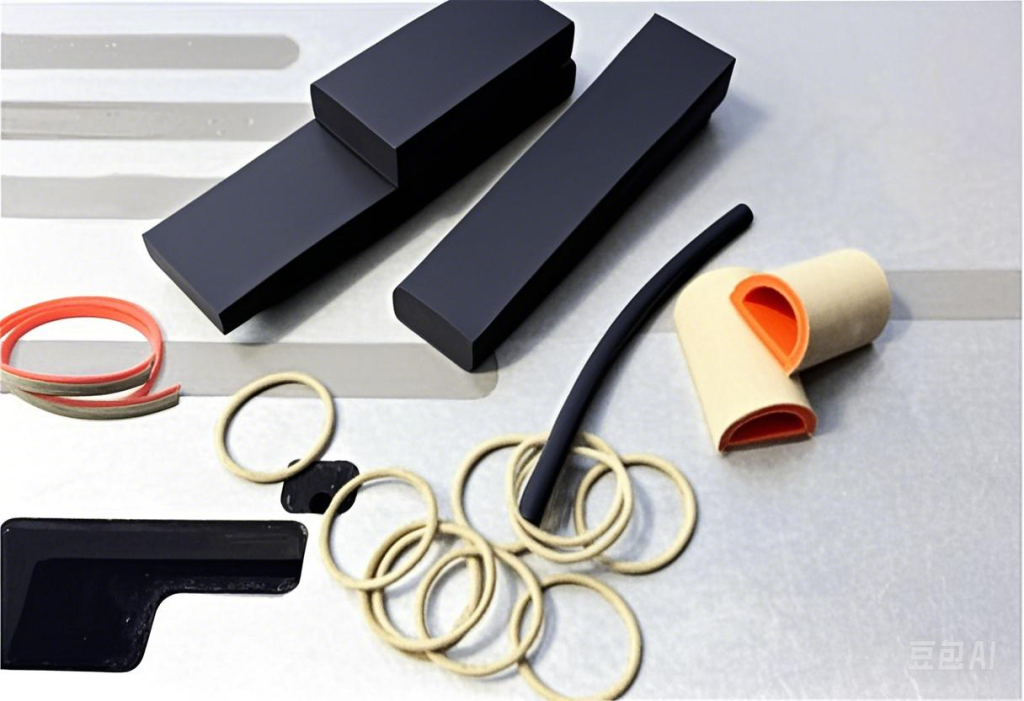
Beginning our article offers information regarding silicone elastomer together with electronically active silver composite rubber barriers pertaining to RFI safeguarding.
Silicone rubber compounds are prevalently used for flexible purposes for reasons of their outstanding robustness and chemical withstandability. Still, their native deficiency of conductivity diminishes their applicability in dedicated high-tech operations.
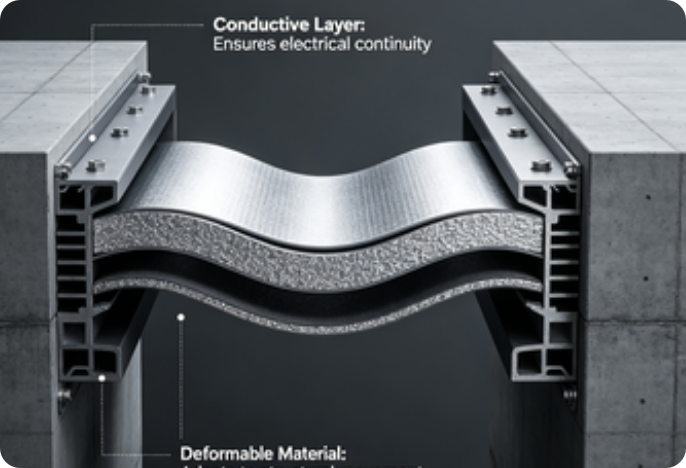
The integration of electron flow supporting ultrafine particles, especially silver-composite infused within the silicone base, produces a cooperative effect bringing about a conductive fabric that enables optimal EMI attenuation.
This frameworks empower assemblies to counteract unwanted RFI noise.
Wrapping Electronic Units: The Purpose of PDMS and Electroconductive Gaskets
Robust sealing of electrical segments is vital in tough conditions. Silicone Compounds, with the outstanding softness and material tolerance, provides impressive aqueous barrier attributes. Though with setups mandating charge transmitting functionality, charge transporting interfaces, often made from electronically active formulations, are mandatory to avoid radio disruption and secure steady running. This synergy of Polymers alongside electron conducting interfaces represents a adaptable strategy aimed at maintaining firm output in modern systems.
Radio frequency Suppression Pads: Improving Capability employing Electrical SR with polydimethylsiloxane
{Reliable radio frequency noise mitigation pads act as imperative for defending sensitive technological tools and arrangements from unwanted discharged conveyed noise. Innovative designs often embrace a alloy of conductive Silicone Silicone polymer and Silicone elastomer matrix to realize optimal capability. Conductive SR provides remarkable electrical flow, securing a robust electrical path for dispersing harmful signals. Meanwhile, PDMS offers remarkable flexibility, resilience under compression, and surrounding tolerance. Precise material selection and composition techniques, such as a light layer of SR within a PDMS matrix, boost both shielding efficiency and long-term soundness.
- Examine alternative material compositions relying on implementation specifications
- Ensure sufficient insulation force for dependable contact
- Assess seals continuously to support effectiveness
The synergistic procedure leads in EMI closures that grant unparalleled protection and robustness.
Siloxane compound Electron-conducting SR Seals: Defending Electronics from Impacts
Addressing high-precision hardware parts, radiation pollution may cause damaging effects, initiating into disruptions as well as details loss. Silicone base electron-conducting silicone rubber membranes provide durable proven approach utilizing providing efficient efficient guard against similar impediments. The interfaces, typically manufactured built from silicone rubber substance interspersed with charge-conducting agents, build improved efficient conduction conduit to reference, eliminating EMI plus RF signal band RFI flux. That bendable arrangement provides unique strong cover even over variable grounds, allowing such membranes ideal within operations covering life science gadgets, communication systems, plus different processing sites. Adopting state-of-the-art Polymer silicone electron transmitting SR seal represents an preventive step for preserve device integrity and ensure operational consistency.
Tuning Hardware Piece Covering with Siloxane Elastomer-Based Electrical Noise Attenuation
Efficient technological element protection presents a crucial challenge in state-of-the-art construction due to intensifying electrical disruption. Poly-dimethylsiloxane enables a innovative strategy when integrated with conductive elements to produce strong EMI suppression surfaces. This procedure not only increases equipment effectiveness but also lowers possible risk of deterioration stemming from ambient EMC dangers.
Electronically Active SR Improvement in PDMS Barriers for Improved EMI Protection
Latest pads fabricated from polydimethylsiloxane (PDMS), incorporating electron flow facilitating fillers, showcase significantly improved defense efficiency against electromagnetic interference (EMI). The integration of agents like graphene-based nanotubes or nickel microflakes provides a channel for current circulation, thereby creating a more resilient electromagnetic barrier. This electron-transmitting upgrade in gasket ability is critical for delicate electronic assemblies requiring excellent EMI reduction in various industries. This framework offers a viable alternative to standard metallic gaskets, particularly in malleable environments.
Deciding on the Right EMI Attenuation Gasket: PDMS vs. Conductive SR Options
Opting for appropriate electromagnetic defense washers entails careful examination of assorted elements. Generally, electroconductive Silicone Rubber (Silicone-rubber) has functioned as a common preference; however, Polysiloxane Siloxanes (Silicone polymer) manifests as a viable option, principally where compaction depths are narrowed or element cooperation is critical. Silicone elastomer furnishes high-quality flexibility and might fit compact extremes, whereas keeping remarkable defense activity.
Advanced Protection Methods: Polydimethylsiloxane, Charge-conducting Silver-based rubber, and Electronic devices Safeguarding
Superior shielding PDMS approaches are steadily important for conserving critical circuit parts. dimethyl polysiloxane, with its superior adaptability and environmental endurance, extends high-quality situational screens. What's more, electric flow enabling siloxane elastomer helps ESD diffusion, mitigating charge harm occurrences. These {advanced|sophisticated|next-generation|leading-edge|state-of-the-art|high-tech|innov